Text · full lyrics
Rejoice and be glad!
The Redeemer had come;
Go, look on His cradle,
His cross, and His tomb.
Rejoice and be glad!
It is sunshine at last!
The clouds have departed,
The shadows are past.
Sound His praises, tell the story,
Of Him who was slain;
Sound His praises, tell with gladness,
He liveth, Oh He liveth again.
Rejoice and be glad!
For the blood hath been shed;
Redemption is finished,
The price has been paid.
Rejoice and be glad!
Now the pardon is free;
The just for the unjust
has died on the tree.
Sound His praises, tell the story,
Of Him who was slain;
Sound His praises, tell with gladness,
He liveth, Oh He liveth again.
Rejoice and be glad!
For the Lamb that was slain
O'er death is triumphant,
And liveth again.
Rejoice and be glad!
For our King is on high;
He pleadeth for us on
His throne in the sky.
Sound His praises, tell the story,
Of Him who was slain;
Sound His praises, tell with gladness,
He liveth, Oh He liveth again.
Rejoice and be glad!
For He cometh again;
He cometh in glory,
the Lamb that was slain.
Sound His praises, tell the story,
Of Him who was slain;
Sound His praises, tell with gladness,
He cometh, Oh He cometh again.
The lyricist
Horatius Bonar
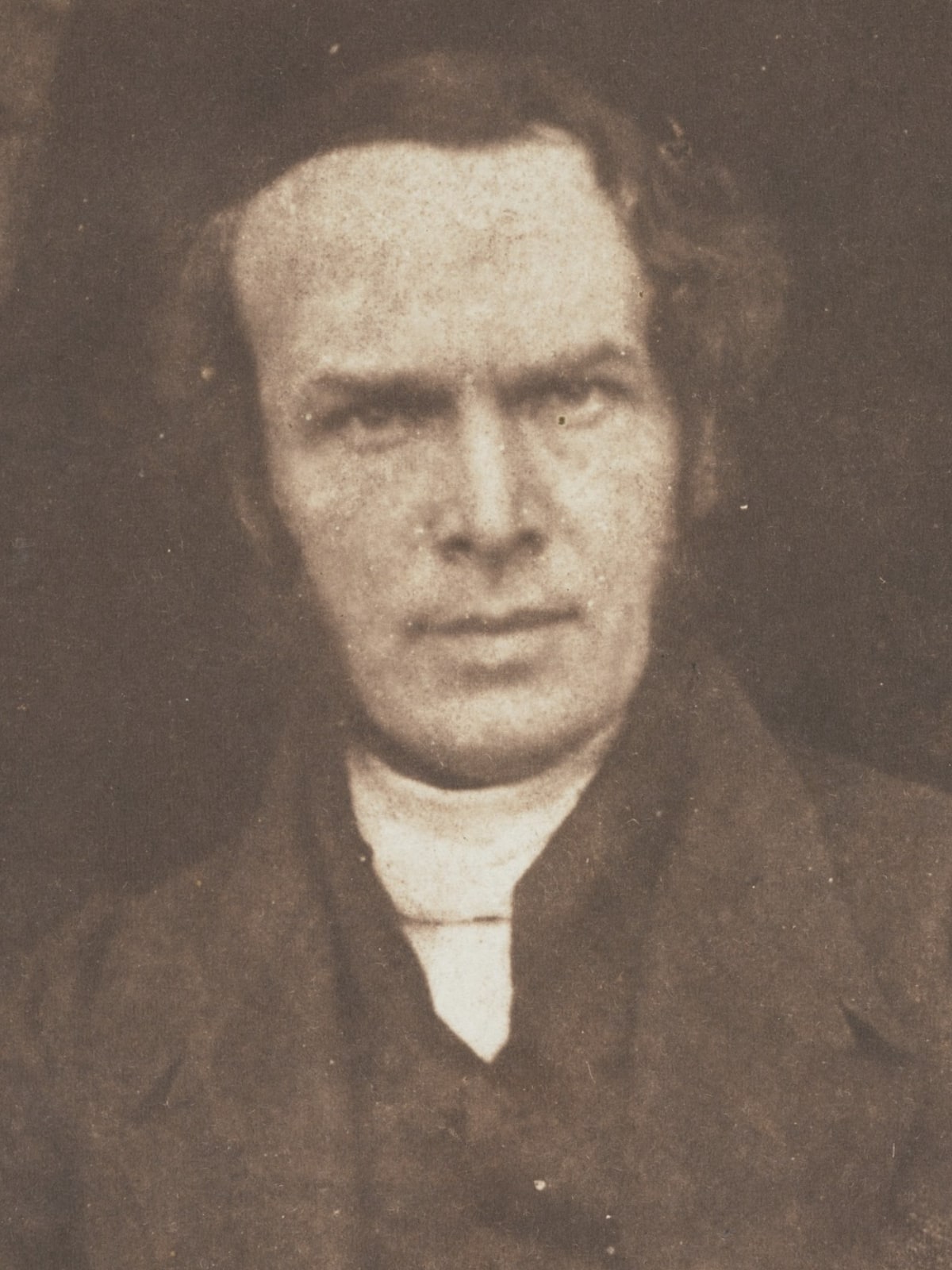
Bonar was a Free Church of Scotland minister who spent his longest pastorate at Kelso in the Borders before settling in Edinburgh. His hymn-writing began almost by accident: as a young assistant minister in the rough seaport district of Leith, he ran a Sunday school of nearly three hundred children, and finding them listless under the metrical psalms that were then the only music his denomination permitted, he started writing simple verses set to tunes they already knew. The experiment took, and he kept at it for the rest of his life, producing more than six hundred hymns — many of which, by the rules of his own psalm-singing church, were never sung from its pulpit but read aloud instead. He was notably reticent about the circumstances behind individual hymns, often saying he could no longer recall the occasions that prompted them, which is part of why texts like this one are left to speak for themselves.