Text · full lyrics
The Lord's our rock, in Him we hide,
A shelter in the time of storm;
Secure whatever ill betide,
A shelter in the time of storm.
A shade by day, defense by night,
A shelter in the time of storm;
No fears alarm, no fears affright,
A shelter in the time of storm.
Oh, Jesus is a Rock in a weary land,
A weary land, a weary land;
Oh, Jesus is a Rock in a weary land,
A shelter in the time of storm.
The raging storms may round us beat,
A shelter in the time of storm;
We'll never leave our safe retreat,
A shelter in the time of storm.
Oh, Jesus is a Rock in a weary land,
A weary land, a weary land;
Oh, Jesus is a Rock in a weary land,
A shelter in the time of storm.
O Rock divine, O Refuge dear,
A shelter in the time of storm;
Be Thou our helper ever near,
A shelter in the time of storm.
Oh, Jesus is a Rock in a weary land,
A weary land, a weary land;
Oh, Jesus is a Rock in a weary land,
A shelter in the time of storm.
The lyricist
Vernon Charlesworth
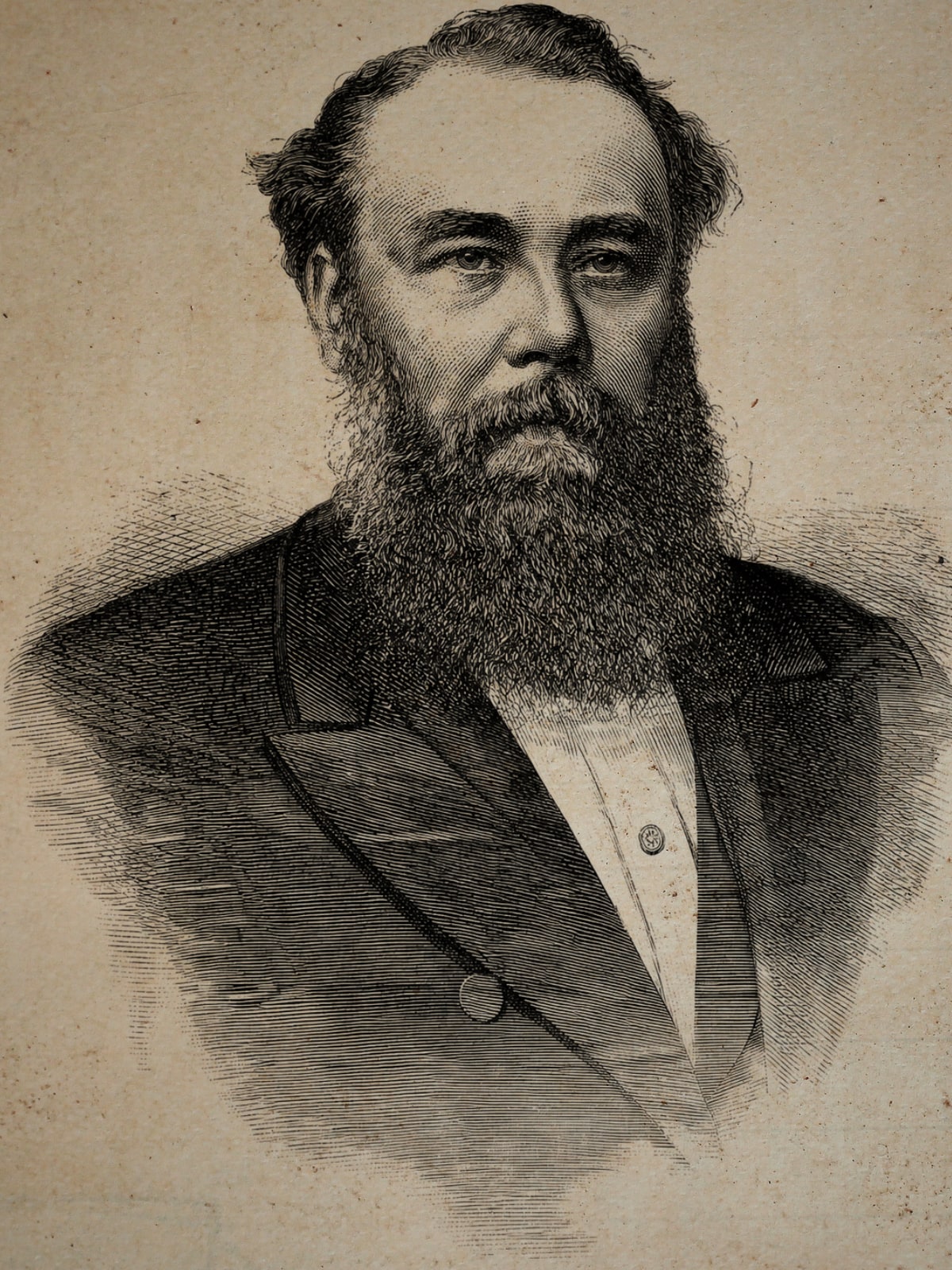
Charlesworth was an English minister and schoolmaster whose working life was bound up with one institution: from 1869 until his death he served as headmaster of Charles Spurgeon's Stockwell Orphanage in south London, where housing and schooling fatherless boys occupied him more than any pulpit did. Earlier he had co-pastored the Surrey Chapel alongside Newman Hall, and he wrote a biography of that chapel's founder, the nonconformist preacher Rowland Hill. "A Shelter in the Time of Storm" first surfaced around 1880, unsigned, in a small London paper called The Postman, and from there it drifted into the mouths of fishermen on the north coast of England, who were heard singing it as they brought their boats into harbor through heavy weather. Ira Sankey found the poem in that same paper and gave it the tune and refrain that carried it into the hymnals — which is why, for years afterward, the words went around with no author's name attached at all.